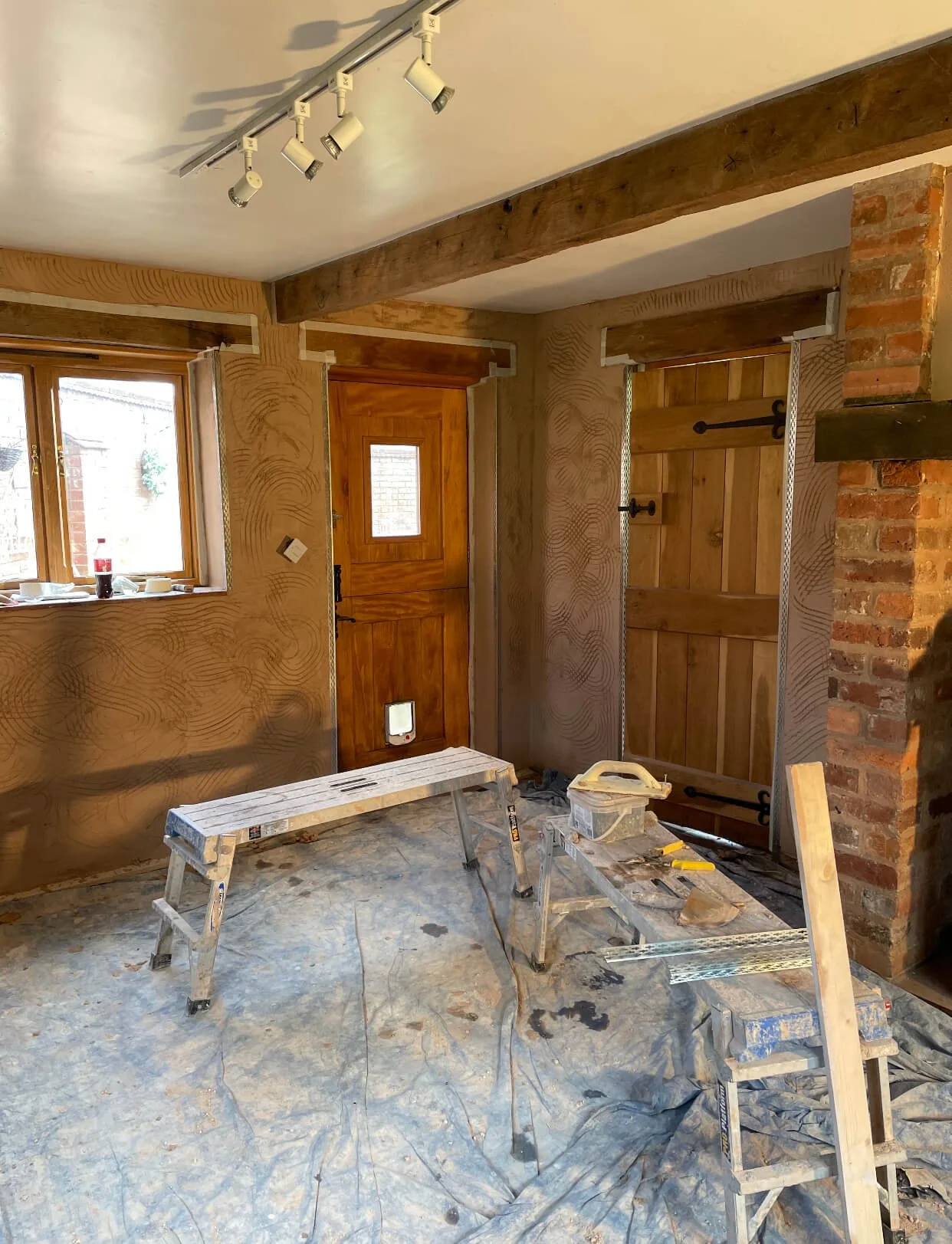
Plaster Repair and Ceiling Repair Frequently Asked Questions.
Plaster repair Frequently Asked Questions
We know you may have a few questions before booking your plaster or ceiling repair with Patch and Go. To help you feel confident about your project, we’ve put together four of our most common questions, answered in detail by our repair specialists.
-
In many cases, yes — we can repair your plaster the same day. The exact timing depends on the size of the damage, its location, and how complex the repair is. Smaller cracks, dents, or drilled holes can often be fixed immediately, while larger areas or ceiling repairs may require a little more time to prepare and complete safely.
We highly recommend giving us a quick call first so we can understand the issue and advise you on the best approach. We can almost always come out the same day to assess the damage and let you know what’s needed to get your walls or ceilings looking like new again.
-
Absolutely — ceiling repairs are one of our core services. Whether you’re dealing with cracks, sagging plaster, water-damaged sections, Artex removal, or holes caused by leaks or electrical work, we can restore your ceiling to a smooth, safe, and high-quality finish.
Every ceiling issue is different, so the repair method will depend on the extent of the damage. Some ceilings can be patched and skimmed the same day, while more severe damage may require cutting out and replacing sections of plasterboard before finishing.
If you’re unsure how bad the damage is, don’t worry — just give us a call. We can usually visit the same day to assess the ceiling and explain your best repair options.
-
Plastering patchwork is usually a quick process, but the exact time depends on the size of the damaged area and the type of repair needed. Small holes, cracks, and minor dents can often be patched and skimmed within 1–2 hours. Medium-sized repairs, such as larger holes or damaged sections around sockets, typically take a few hours to complete.
For bigger patches or ceiling repairs where sections need cutting out and replacing, the work may take longer — especially if drying time is required before finishing coats can be applied.
We always aim to complete patch repairs as efficiently as possible while still ensuring a smooth, professional finish. If you’d like a more accurate time estimate, feel free to call us — we can usually visit the same day to assess the repair.
-
Yes, we can plaster or skim a single wall without any problem. Whether the wall has cracks, holes, uneven areas, or old plaster that needs refreshing, we’re happy to take on small, individual jobs as well as larger projects.
Plastering one wall is often straightforward, and in many cases we can complete the work in a single visit, depending on the size of the wall and the condition of the existing surface. If needed, we can blend the new plaster seamlessly into the surrounding areas so it looks uniform once painted.
If you’d like advice on your specific wall, just give us a call — we can usually pop out the same day to take a look and recommend the best repair option.
-
Professional plasterers utilise a range of specialised tools to achieve smooth and high-quality finishes on walls and ceilings. These tools are essential for the various stages of the plastering process. Here is a comprehensive list of common tools used by experienced plasterers:
Hawk and Trowel:
The hawk is a flat, square board with a handle, providing a portable surface for holding plaster.
The trowel is a flat, pointed tool used for applying and smoothing plaster onto surfaces.
Plastering Float:
This tool is designed for spreading and smoothing plaster, helping to achieve an even surface.
Jointing Knife:
Used for applying and finishing jointing compounds in plasterboard work.
Edging Trowel:
Ideal for smoothing and finishing plaster around edges and corners.
Mixer:
Plasterers often use a power mixer to ensure a consistent and lump-free plaster mix.
Plastering Rule:
A straight edge for levelling and straightening plaster surfaces.
Corner Trowel:
Specifically designed for smoothing and finishing plaster in corners.
Screeding Level:
Used to level and straighten large areas of plaster.
Bucket Trowel:
Designed for scooping and spreading plaster from the bucket to the hawk.
Plasterer’s Brush:
Used for wetting surfaces before plaster application, ensuring better adhesion.
Plastering Darby:
A long, straightedge is used for levelling and smoothing larger areas of plaster.
Utility Knife:
Essential for cutting plasterboard to size.
Mixing Bucket:
Plasterers use sturdy buckets for mixing plaster to the desired consistency.
Sanding Tools:
Sanding blocks or sanding screens are sometimes used to achieve a smooth finish after the plaster has dried.
Safety Equipment:
Plasterers should wear appropriate safety gear, including gloves, safety glasses, and dust masks, to protect themselves during the plastering process.
By using these tools, professional plasterers ensure precision, efficiency, and a flawless finish in their plastering projects. For residents in Worcestershire seeking expert plastering services, our skilled professionals are equipped with the latest tools and techniques to deliver exceptional results.
-
Professional plasterers play a crucial role in transforming interior and exterior spaces, providing a smooth and polished finish to various surfaces. Their expertise extends across a range of jobs, including:
Interior Wall Plastering:
Plasterers apply a layer of plaster to interior walls, creating a smooth and even surface for painting or wallpaper application.
Ceiling Plastering:
Plasterers work on ceilings to achieve a seamless and aesthetically pleasing finish, addressing imperfections and creating a polished look.
Skimming:
Skimming involves applying a thin layer of finishing plaster to existing walls or ceilings, enhancing their appearance and covering any surface irregularities.
Rendering:
Exterior rendering involves applying a coat of plaster to external walls, providing both protection and an attractive finish. Different rendering techniques can be employed for various textures and styles.
Dry Lining:
Plasterboard is installed on walls, and plaster is applied to the surface, creating a smooth and even finish. This technique is often used for quick and efficient interior wall construction.
Decorative Molding and Cornices:
Plasterers are skilled in creating intricate decorative elements, such as moldings and cornices, to enhance the aesthetic appeal of a room.
Repairs and Patching:
Plasterers are adept at repairing damaged or deteriorating plaster. This includes fixing cracks, holes, and other imperfections to restore the integrity and appearance of the surface.
Fireplace Surrounds:
Plasterers can design and install decorative finishes around fireplaces, providing an elegant focal point for a room.
Exterior Insulation and Finish Systems (EIFS):
Plasterers may work on EIFS projects, applying insulating materials and a decorative finish to the exterior of buildings for both insulation and aesthetic purposes.
Plastering Renovations:
Plasterers play a key role in renovations, reviving and updating the look of older properties by addressing plaster-related issues and applying modern finishes.
Soundproofing:
Plasterers may contribute to soundproofing projects by applying specialized plaster materials designed to reduce noise transmission.
Commercial and Residential Plastering Projects:
Plasterers cater to both residential and commercial clients, offering their expertise in a variety of settings, from homes and apartments to offices and retail spaces.
For those in Worcestershire seeking professional plastering services, our skilled team is well-versed in these diverse plastering jobs, delivering top-notch craftsmanship and customer satisfaction.
-
Determining the cost of plastering services involves various factors, and prices can vary based on several considerations. Here are key factors that influence the cost of hiring a plasterer:
Project Size and Complexity:
Larger or more intricate projects may require additional time and expertise, impacting the overall cost. Complex designs, vaulted ceilings, or extensive repairs can contribute to increased expenses.
Materials Used:
The type of plaster and other materials required for the project can influence costs. High-quality or specialized plaster materials may have a different price point than standard options.
Experience and Expertise:
The level of experience and skill of the plasterer can affect pricing. Highly experienced plasterers may charge higher rates based on their proficiency and the quality of their work.
Location:
Regional variations in labour and material costs can impact the overall price. Rates may differ based on the location of the project. For example, jobs in central London will be considerably more than jobs within Worcestershire or surrounding areas.
Timeframe:
Urgency or specific timelines for project completion may affect pricing. Projects requiring expedited completion may incur additional costs.
Type of Plastering Service:
Different plastering services, such as skimming, rendering, or decorative plasterwork, may have varying price points. The specific requirements of the project play a significant role in determining costs.
Day Rate for Commercial Projects:
For larger commercial-sized projects, plasterers may charge a day rate. This rate typically covers a set number of hours and may include additional labour or equipment costs.
For an accurate and personalised estimate tailored to your project, we invite you to contact Redline Plastering for a free consultation. Our team of skilled plasterers takes pride in delivering high-quality craftsmanship, and we understand that each project is unique. During the consultation, we will assess your specific needs, discuss the scope of the project, and provide you with a transparent and competitive quote.
At Redline Plastering, we prioritise customer satisfaction and strive to offer the best value for your investment. Contact us today for a hassle-free consultation and discover how our expertise can bring your plastering project to life.
-
Plastering plays a crucial role in creating a barrier against moisture and, when done correctly, can contribute to preventing mould growth. Here's how plastering helps address and mitigate mould-related issues:
Moisture Barrier:
Plaster acts as a protective barrier on walls, helping to prevent the penetration of moisture. Moisture is a key factor in mould development, and by inhibiting its entry, plastering reduces the conditions favorable to mould growth.
Sealing Wall Surfaces:
Plastering creates a sealed and smooth surface on walls, closing off potential entry points for moisture. This is particularly important in areas prone to dampness or water exposure, such as bathrooms, kitchens, and basements.
Proper Ventilation:
During the plastering process, attention is given to ensuring proper ventilation and airflow within the space. Adequate ventilation helps in reducing humidity levels, further discouraging mould growth.
Use of Anti-Mould Additives:
Some modern plaster formulations include additives with anti-mould properties. These additives inhibit the growth of mould and mildew, providing an additional layer of protection.
Addressing Existing Issues:
Plastering often involves addressing any existing issues on walls, such as cracks or damage. Repairing these imperfections eliminates potential areas where moisture can accumulate, reducing the risk of mould formation.
Important Considerations:
While plastering is a valuable preventive measure, it is essential to address the root causes of moisture, such as leaks or poor ventilation, to effectively combat mould growth.
In areas with persistent moisture problems, additional measures such as waterproofing or using moisture-resistant plasterboard may be recommended.
Regular maintenance and prompt repairs to any water damage are crucial in maintaining the effectiveness of plaster in mould prevention.
Consultation and Professional Advice:
For homeowners in Worcestershire concerned about mould issues, consulting with a professional plasterer is advisable. A thorough assessment of the specific conditions of the property can help determine the most effective plastering solutions to prevent mould.
At Redline Plastering, our experienced team not only provides expert plastering services but also offers tailored advice on moisture prevention strategies. Contact us for a consultation to discuss your concerns and explore effective solutions to protect your walls from mould.
-
Plastering a wall can be a valuable step in managing and preventing damp issues, but it's essential to understand the limitations and considerations involved. Plastering contributes to damp prevention in the following ways:
Moisture Barrier:
Plaster acts as a barrier, helping to prevent moisture from penetrating the wall. By creating a sealed surface, it reduces the absorption of water and minimizes the potential for dampness.
Repairing Wall Imperfections:
During the plastering process, any existing cracks, holes, or damaged areas on the wall are typically addressed. Repairing these imperfections eliminates potential entry points for moisture, reducing the risk of damp issues.
Enhanced Protection:
Plaster provides an additional layer of protection for the wall. This coating helps safeguard the structure from water ingress, limiting the potential for damp-related problems.
However, it's important to note:
Identification of Underlying Causes:
Plastering alone may not solve damp issues caused by underlying problems such as leaks, poor ventilation, or issues with the building's damp-proof course. It's crucial to identify and address these root causes for a comprehensive solution.
Ventilation:
Adequate ventilation is essential to prevent condensation-related dampness. Plastering should be complemented by proper ventilation strategies to maintain a healthy indoor environment.
Severity of Damp Issues:
The effectiveness of plastering in stopping damp depends on the severity and type of damp. In cases of severe or specific types of damp problems, additional measures such as damp-proofing treatments may be necessary.
Professional Assessment:
For homeowners in Worcestershire dealing with damp concerns, seeking a professional assessment from experienced plasterers is advisable. A thorough evaluation of the property allows for tailored recommendations and the implementation of effective solutions.
Contact Redline Plastering:
If you're facing damp issues or considering plastering to prevent damp, contact Redline Plastering for a personalised consultation. Our experienced team can assess your specific situation, provide expert advice, and offer solutions to address damp problems effectively.
Remember, addressing damp issues requires a holistic approach, and our team is here to help you find the most suitable solution for your property.
What plaster do plasterers use?
Plasterers in the UK commonly use leading brands such as British Gypsum, Thistle, and Knauf. These brands offer a range of plaster products, including multi-finish and board finish, tailored to different applications. Professional plasterers select the type of plaster based on project requirements, ensuring a high-quality and durable finish.
Where does plaster come from?
Plaster is derived from gypsum, a naturally occurring mineral. Gypsum is extracted from mines and quarries worldwide. Once mined, it undergoes a calcination process, where it is heated to remove water content and converted into a powder. This gypsum powder is then mixed with water to create the plaster used by plasterers in construction and finishing applications.
What is lime plastering?
Lime plastering is a traditional building material that uses lime as a binder instead of cement. It consists of lime, sand, and water, creating a breathable and flexible finish. Lime plaster is valued for its ability to allow walls to "breathe," preventing moisture buildup and promoting a healthier indoor environment. It is often chosen for historic preservation projects and eco-friendly construction due to its sustainable and natural properties.
When plastering, how long do you leave between coats?
The drying time between plaster coats depends on factors like humidity, temperature, and the type of plaster used. Typically, a base coat needs to dry for 24-48 hours before applying the finish coat. However, it's essential to follow the manufacturer's guidelines and ensure the plaster is completely dry and firm before proceeding with the next coat.
Who plasters walls?
Professional plasterers specialise in plastering walls. They are skilled tradespeople with expertise in applying and finishing plaster to create smooth, even surfaces. Plasterers work in various settings, including residential, commercial, and industrial projects, providing their services for new constructions, renovations, and repairs. Hiring a qualified and experienced plasterer ensures a high-quality finish for interior and exterior walls.
Are plasterers and decorators separate trades?
Yes, plasterers and decorators are typically separate trades. Plasterers focus on preparing and finishing surfaces, applying materials like plaster to create a smooth base for paint or wallpaper. Decorators, on the other hand, specialise in the application of decorative finishes such as paint, wallpaper, and other aesthetic enhancements. While some professionals may have skills in both areas, they are distinct trades with different expertise and tasks.
Book a Free, No-Obligation Ceiling Repair or Plaster Repair Quote
We will arrange a home visit at your convenience to assess your project and discuss your requirements. Some projects can be completed the same day.
Fast, reliable plaster repair specialists
Patch and Go are proud to represent some of the very best plaster repair services in and around Worcestershire. Based in Stourport-on-Severn we pride ourselves on being a locally well-known team delivering the finest quality finish on all projects. No matter the size.
Book a free, informal consultation today to discuss your requirements with our professional, friendly team.
Patch and Go - Fast, reliable service, every single time.
What Our Customers Are Saying.
Read more reviews on Google
-
![Professional Plastering services in Stourport, kidderminster, bewdley and worcester UK.]()
Robbo Fazey
Tom boarded a bedroom ceiling and skimmed the whole room today . Very pleased with the result.
Turned up on time and didn't leave until it was perfect. Tidied up like he hadn't been there. Great work.Would highly recommend.
-
![professional plastering and damp proffing services in worcestershire. Stourport, kidderminster and bewdley.]()
Lisa Williams
Tom did a great job re-boarding and skimming our living room. It looks great! They were on time, worked cleanly and were just focused on the work at hand. Really appreciate their efforts and will be using them again in the future
-
![professional plaster boarding services in Worcester, Stourport, Kidderminster and Bewdley]()
Matthew Guise
Tom was fantastic from start to finish and the finished product is amazing. We got Tom to overboard and skim 4 ceilings to get rid of artex ceilings and after decorating the rooms they look like new. Tom was responsive and friendly. Would recommend and will be using him again in the future. Thank you!
-
![professional garage conversion and plastering specialists in Worcester, Bewdley, Stourport and Kidderminster.]()
Stuart Benyon
After providing a fair price to overboard a ceiling and skim 4 walls we asked Tom to complete our room. After agreeing a date and start time and answering our questions promptly the team arrived on schedule.
The work was completed within one day to a high standard and with everything left clean and tidy.
Would recommend.
-
![Logo for Patch and Go Professional Plastering Repairs with a stylized house roof and chimney]()
Kelly - Google
A massive thank you to Tom and Rich for such a good job. I had them both in to board and plaster my kitchen diner, toilet and bathroom. Tom managed to squeeze me in before Christmas and done a wonderful job at a fair price! Highly recommend them 😃👍
-
![Logo for Patch and Go Professional Plastering Repairs, featuring a stylized house outline and text.]()
Adam Welch
Efficient and friendly, reasonable quote. Attended as planned with good communication. Finished to a high standard and clean and tidy. I would recommend and use again. Thank you once again.
